

Fort Bend County continues to attract homebuyers with its established communities, expanding employment base, extensive amenities, and range of housing options.
Two of the area’s most recognizable markets, Sugar Land and Fulshear, offer very different approaches to suburban living.
For buyers in 2026, the decision is not simply about finding the lowest listing price. Home size, lot size, new construction premiums, property taxes, MUD charges, commute times, schools, amenities, and long-term plans can all affect the actual cost of owning a home.
This guide breaks down Sugar Land vs Fulshear real estate so buyers can determine which market better fits their budget and lifestyle.
Understanding Sugar Land vs Fulshear Real Estate
When evaluating Sugar Land vs. Fulshear real estate, buyers must choose between established luxury and rapid suburban expansion. Sugar Land offers mature, amenity-rich master-planned communities with shorter commutes. At the same time, the Fulshear provides expansive new construction and larger lot sizes, making both areas exceptional choices for long-term equity growth.
Navigating the Sugar Land Real Estate Market
Established Master-Planned Perfection
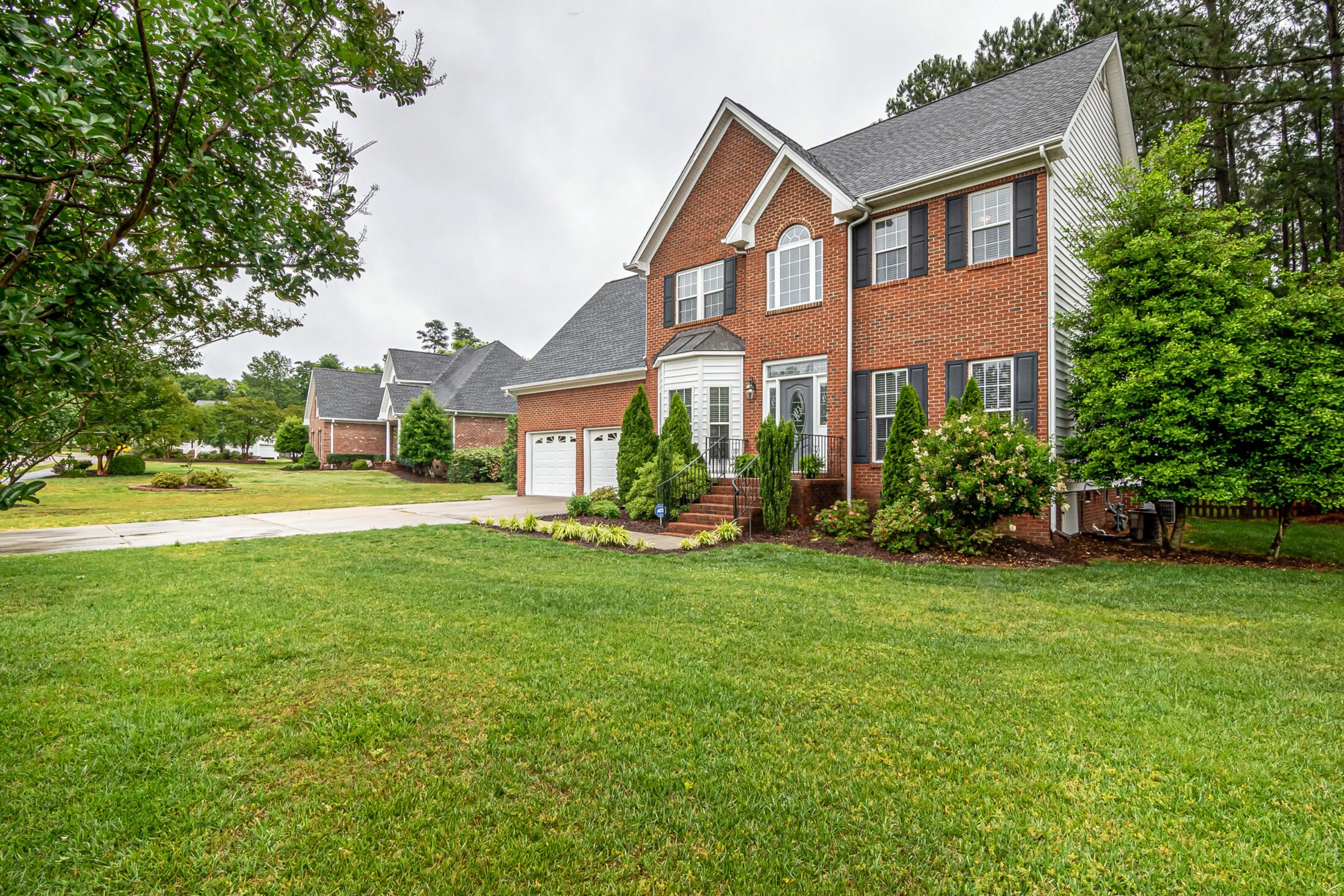
The Sugar Land real estate market benefits from decades of residential development. Communities such as First Colony and Sugar Creek helped establish the city’s reputation as a major suburban destination southwest of Houston.
Today, buyers can find a broad selection of resale properties, from traditional single-family homes to larger custom residences.
Mature landscaping, established streets, nearby retail, parks, restaurants, and community amenities are significant advantages for buyers who do not want to wait for a neighborhood to develop.
Sugar Land Town Square is another important part of the city’s appeal. The mixed-use destination provides restaurants, shops, offices, public spaces, and community events in a central location.
Sugar Land’s development history also affects inventory. The city describes itself as mostly built out, with relatively few vacant parcels remaining. That makes existing homes an important part of the market and limits the amount of undeveloped residential land available within the city.
Evaluating the Sugar Land Housing Market
Looking at the Sugar Land housing market in 2026 shows that buyers are not necessarily entering a declining or inexpensive market. Current market data puts the median Sugar Land sale price in the mid-$400,000s, although prices vary substantially by neighborhood, property size, age, and condition.
For buyers considering real estate Sugar Land TX, the premium can come with practical benefits. Established infrastructure, mature neighborhoods, proximity to employment centers, and access to shopping and dining can reduce the need to travel for everyday activities.
Another important consideration is school attendance zoning. Sugar Land properties can fall within different school districts and attendance boundaries, so buyers should verify the specific schools assigned to every property rather than relying solely on the city name.
Exploring Fulshear Land for Sale and New Builds
The Boom of Western Fort Bend
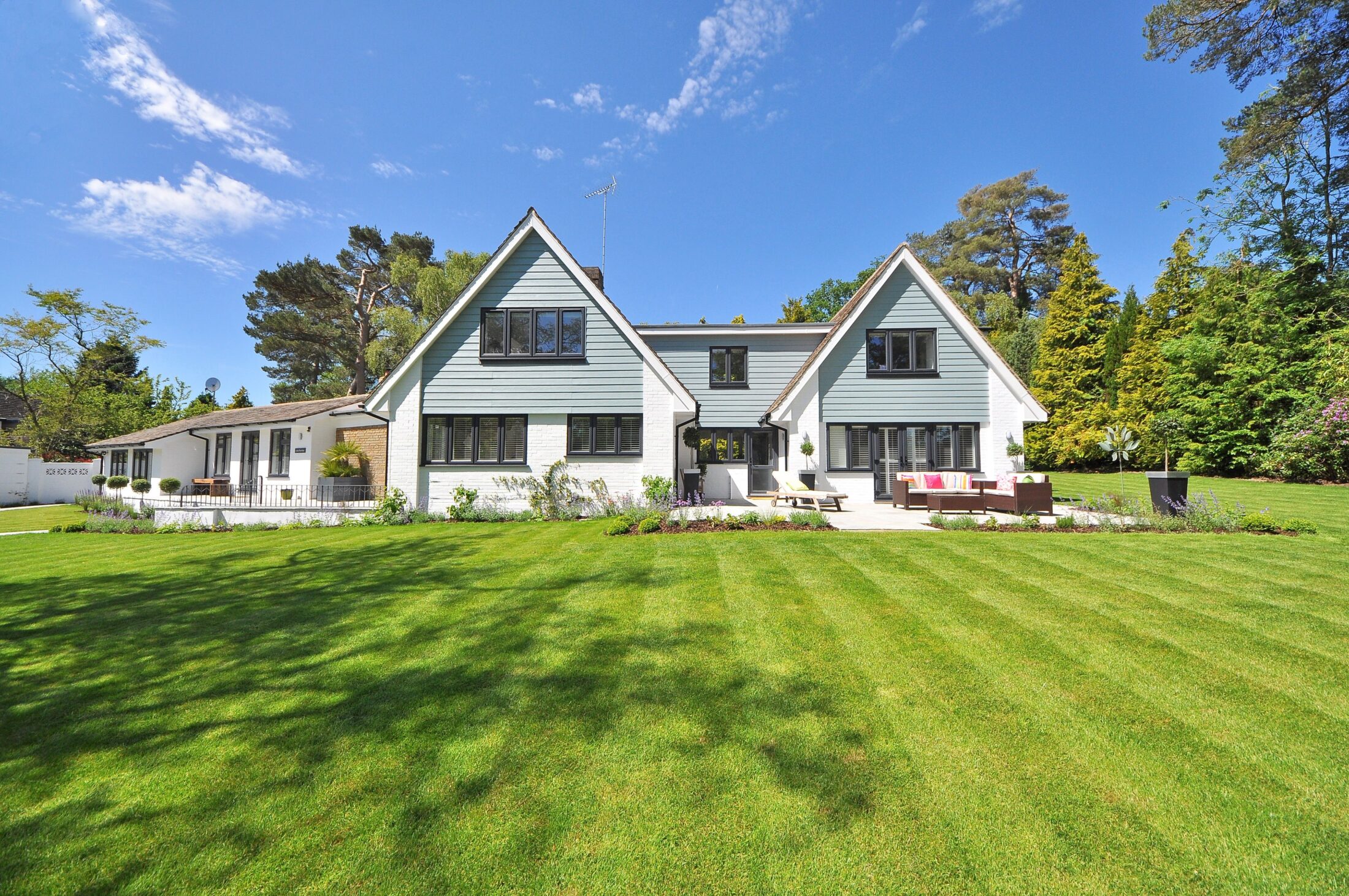
Fulshear represents a different phase of residential growth. The city and surrounding area have experienced substantial development, with major master-planned communities contributing thousands of homes and additional infrastructure.
Buyers searching for Fulshear land for sale may encounter both residential lots and larger parcels, but availability depends heavily on location, zoning, utilities, deed restrictions, and whether a parcel is actually intended for residential construction.
New construction remains a major part of the market. Communities such as Cross Creek Ranch, Fulbrook on Fulshear Creek, Fulshear Lakes, Jordan Ranch, and other developments have expanded the range of housing available to buyers.
For someone who wants a new kitchen, modern floor plan, energy-efficient construction, and contemporary community amenities without renovating an older home, Fulshear can provide numerous opportunities.
Understanding Fulshear Real Estate Prices
It is important not to assume that Fulshear real estate prices are automatically lower than Sugar Land. Current 2026 market data actually places Fulshear’s median sale price above Sugar Land’s in some recent reporting periods.
That does not mean Fulshear is more expensive for every buyer. The comparison changes considerably when looking at square footage, lot size, age of construction, builder incentives, upgrades, and community amenities.
A buyer comparing Sugar Land and Fulshear homes should therefore compare similar properties. A new four-bedroom home in Fulshear should not be directly compared with a 20-year-old three-bedroom resale property in Sugar Land simply because the two listings have similar asking prices.
New construction can also involve expenses beyond the base price, including lot premiums, structural upgrades, design selections, landscaping, fencing, appliances, and closing costs.

Analyzing Fort Bend County Home Values
Protecting Your Real Estate Investment
Location remains one of the most important factors affecting Fort Bend County home values. Both Sugar Land and Fulshear benefit from their location within one of the Houston area’s major suburban growth corridors.
However, buyers should be cautious about assuming that continued population growth guarantees appreciation. Home values can rise or fall depending on interest rates, inventory, employment conditions, new construction, neighborhood supply, and broader housing demand.
The strongest comparison is usually property-specific. A well-maintained home in an established Sugar Land neighborhood and a newer home in a growing Fulshear community may have very different ownership costs and resale considerations.
Property Taxes and MUD Fees
Property taxes deserve particular attention when building a homebuying budget in Texas.
A home’s total tax bill can include taxes from the city, county, school district, and other taxing entities. Some properties may also be located within a Municipal Utility District, commonly known as a MUD, which can impose an additional tax to fund infrastructure and services.
This makes it inaccurate to assume that every Fulshear home has higher taxes than every Sugar Land home—or vice versa.
For example, Sugar Land’s adopted 2026 city property tax rate is $0.371116 per $100 of taxable value. Fulshear’s city rate for the current fiscal year was substantially lower, although the city’s proposed FY2027 rate was $0.193100 per $100. Neither figure represents a homeowner’s complete property-tax bill.
The applicable MUD, school district, county, exemptions, and assessed value all matter. Before making an offer, ask for the property’s most recent tax statement and confirm the current tax rates for every applicable taxing entity.

Finding the Right Lifestyle for Your Family
Walkability vs Open Spaces
Lifestyle can be just as important as the purchase price.
Sugar Land tends to suit buyers who value established amenities, mature landscaping, convenient retail, restaurants, parks, and relatively quick access to major employment corridors. Its older neighborhoods can also provide a greater sense of established community character.
Fulshear generally offers a newer suburban environment, with expanding master-planned communities, modern homes, recreational amenities, and more opportunities to purchase new construction.
Commute time should be evaluated carefully. A trip that looks manageable on a map can change significantly during Houston-area rush hours. Buyers who commute regularly should test their actual route during the times they expect to travel rather than relying on a general mileage estimate.
The same principle applies to lot size. If outdoor space is a priority, compare the actual lot dimensions and usable backyard rather than assuming that a newer home automatically provides more land.
Working With Local Experts
An agent familiar with both markets can make the comparison considerably easier.
Instead of evaluating listings individually, a knowledgeable Fort Bend County real estate professional can help you compare neighborhoods, tax structures, builders, resale inventory, school boundaries, commute routes, and recent comparable sales.
A weekend tour can also be useful. Seeing several Sugar Land resale properties alongside new construction in Fulshear gives buyers a much clearer sense of what their budget actually buys in each market.
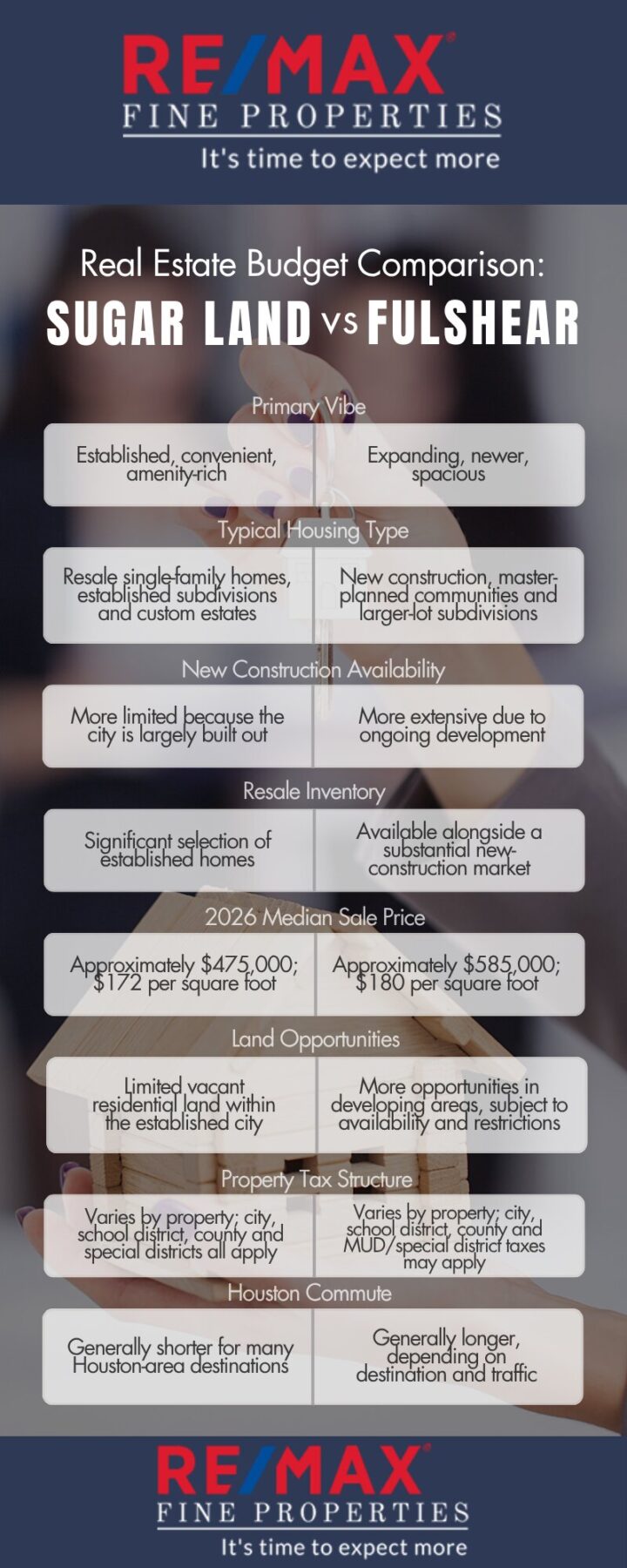
Fort Bend Real Estate Comparison Table
| Real Estate Factor | Sugar Land Market | Fulshear Market |
|---|---|---|
| Primary Vibe | Established, convenient, amenity-rich | Expanding, newer, spacious |
| Typical Housing Type | Resale single-family homes, established subdivisions and custom estates | New construction, master-planned communities and larger-lot subdivisions |
| Development Stage | Mature and largely built out | Rapidly developing with continued residential construction |
| Houston Commute | Generally shorter for many Houston-area destinations | Generally longer, depending on destination and traffic |
| Property Tax Structure | Varies by property; city, school district, county and special districts all apply | Varies by property; city, school district, county and MUD/special district taxes may apply |
| 2026 Median Sale Price | Approximately $475,000 in recent Redfin data | Approximately $585,000 in recent Redfin data |
| Price Per Square Foot | Approximately $172 in recent Redfin data | Approximately $180 in recent Redfin data |
| New Construction Availability | More limited because the city is largely built out | More extensive due to ongoing development |
| Resale Inventory | Significant selection of established homes | Available alongside a substantial new-construction market |
| Land Opportunities | Limited vacant residential land within the established city | More opportunities in developing areas, subject to availability and restrictions |
Market figures are recent 2026 indicators and can change as new sales are recorded. Tax rates and total tax bills vary by individual property.
Invest Confidently in the Texas Suburbs
Choosing between Sugar Land and Fulshear starts with understanding how each market fits your budget and daily routine.
The Sugar Land real estate market offers established neighborhoods, mature infrastructure, convenient amenities, and a substantial resale market. Buyers who prioritize an established community and proximity to major Houston-area destinations may find those factors particularly important.
Fulshear offers a different opportunity. Continued development means buyers have greater access to new construction, contemporary floor plans, master-planned amenities, and developing neighborhoods.
Buyers interested in Fulshear land for sale may also find opportunities that are less common in a largely built-out city such as Sugar Land.
When comparing Sugar Land and Fulshear homes, look beyond the listing price. Compare the total monthly payment, property taxes, MUD charges, homeowners insurance, HOA costs, commute, maintenance requirements, lot size, and expected resale considerations.
Current Fort Bend County home values also demonstrate why market conditions should be evaluated using recent, property-specific data rather than broad assumptions about either city.
If you are deciding between Sugar Land and Fulshear, getting an accurate picture of your options starts with comparing current listings, recent comparable sales, taxes, HOA and MUD costs, and commute requirements.
For personalized guidance across both markets, contact me today and I will help you evaluate properties based on your actual budget and priorities. Call (832) 641-3727 or email bret@bretwallace.com to start comparing your options.
Frequently Asked Questions
Which is more expensive when evaluating Sugar Land vs. Fulshear real estate?
Recent 2026 market data shows Fulshear’s median sale price above Sugar Land’s in some reporting periods. However, that does not mean every Fulshear property costs more. Home size, new construction, lot size, neighborhood, upgrades, and property taxes can create significant differences between individual properties.
How do Fulshear real estate prices compare to new builds in Katy?
Fulshear and Katy both contain large master-planned communities and extensive new-construction inventory. Prices vary considerably by builder, community, lot, floor plan, and upgrades, so buyers should compare current listings and completed sales for similar homes rather than relying on citywide averages.
Is the Sugar Land real estate market mostly older resale homes?
Sugar Land has a large established resale market because much of the city was developed decades ago and the city is largely built out. However, newer homes, redevelopment projects, townhomes, and custom construction are still available in select areas.
How do Fort Bend County home values impact property taxes in Fulshear?
Property taxes are based on taxable property values and the combined rates of applicable taxing entities. Higher property values can result in higher tax bills, but the actual amount depends on the property’s assessed value, exemptions, school district, city, county, MUDs, and other applicable districts.
What should buyers look for when comparing Sugar Land and Fulshear homes regarding commutes?
Look at the actual destination, departure time, highway access, expected rush-hour traffic, and frequency of the commute. A property that is only a few miles farther away can have a very different daily travel time depending on road conditions and congestion.
Can I still find vacant Fulshear land for sale to build a custom home?
Yes, vacant land opportunities can still be found in and around Fulshear, although availability varies. Buyers should confirm zoning, deed restrictions, utilities, road access, floodplain considerations, minimum home sizes, and whether the parcel is eligible for the intended construction before purchasing.
Why is the Sugar Land housing market so competitive in 2026?
Sugar Land benefits from an established residential environment, mature amenities, employment access, and limited vacant land. Recent 2026 market data also shows that buyers continue to have substantial inventory, so competitiveness varies by neighborhood, price range, property condition, and type of home.